The transition to electrification has become a popular topic for politicians talking about Australia’s road freight future. But there’s a big difference between policies which look good on paper and policies that work on the road and for business.
We know that every freight task which can viably move to electricity, hydrogen or another lower-carbon fuel will reduce pressure on our diesel supply and strengthen Australia’s fuel security.
In my years in the industry, I haven’t met many operators who would turn down a solution that is cheaper and cleaner. But it’s also far too simplistic right now to say “just go electric”.
The reality is that decarbonisation currently adds cost to operators rather than mitigating it, making it difficult to justify the outlay.
This year, we have seen diesel prices surge, delivering an immediate hit to cashflow to businesses and leaving many businesses fighting just to stay on the road.
With cash tight, it has to be acknowledged that upgrading to electric trucks is very expensive – six to seven figures easily depending on the make, model and availability.
If you are already up to your eyeballs in debt, most people would tell you to keep driving your reliable old sedan around rather than buy a sports car.
This becomes especially important when there are question marks over whether the infrastructure exists to keep those shiny new trucks operational outside of metropolitan areas.
Government investment in charging and alternative refuelling infrastructure still has to reach the places trucks actually travel. At the moment, suitable and reliable charging sites are too few and far between.
If there is a broken charger at one stop, there is rarely contingency in place so trucks can recharge safely somewhere else without worry.
Then, there’s the technical expertise. Electric trucks are giant, complex computers. The skills and services needed to maintain this new technology need to be available wherever trucks are, when and not if something goes wrong on the road.
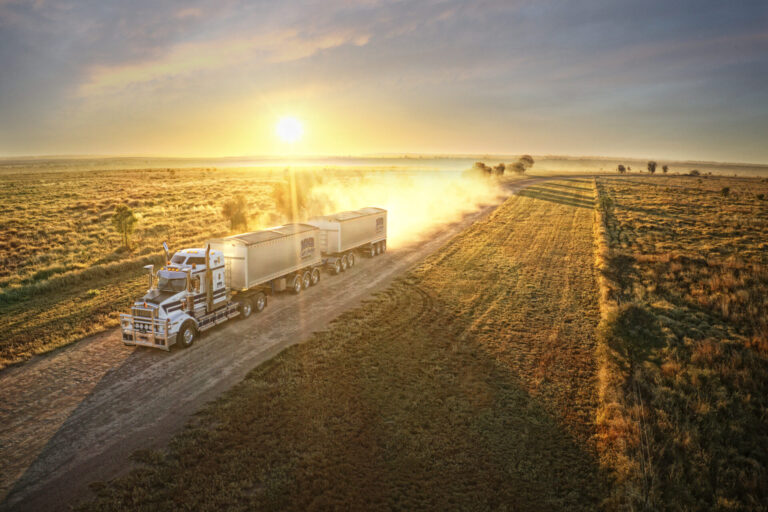
It’s why diesel will remain essential for many freight tasks for the foreseeable future. Trucks doing predictable metropolitan runs have very different needs to an owner-driver travelling thousands of kilometres through regional and remote Australia with constantly changing conditions.
Particularly during emergencies and in rural and remote areas, the alternatives on the table simply aren’t as practical as good old diesel yet. That’s why NatRoad is advocating for a Clean Transport Fund and net zero transition strategy to support alternative fuels, alongside electricity and hydrogen, as well as low-emission trucks.
We can’t put all our eggs in one basket if we are going to see real progress on decarbonisation. There is no one silver bullet to fixing this. A transition must be fair, practical and commercially realistic for operators.
Looking ahead must consider where we are right now and get the balance right. We want to support the technology that will reduce our reliance on diesel without pretending we can stop relying on diesel tomorrow.
NatRoad is also asking government to consider the immediate option of blending renewable diesel with diesel to offer cost relief and decarbonise without crippling business.
This is common practice overseas. Other countries have found diesel blends to be reliable and more affordable. Blends can be used with existing infrastructure and the set up doesn’t require the purchase of a whole new vehicle.
While there’s work to be done here, blended diesel is shaping up as a practical solution which deserves real thought and exploration.
NatRoad is taking our transition strategy to government, but we know it’s vital to keep supporting our members at the same time.
Our Decarbonisation Hub has resources owner drivers can use today to make practical changes and become more fuel efficient today. Visit our website to find out how you can Get Fleet Fit.
And we’re making sure the people designing the transition hear from you – the people who will have to implement it.
If Australia’s road freight industry is going to make this transition successfully, the numbers have to stack up. Trucks must be able to get the job done on the road, not just on the whiteboard.