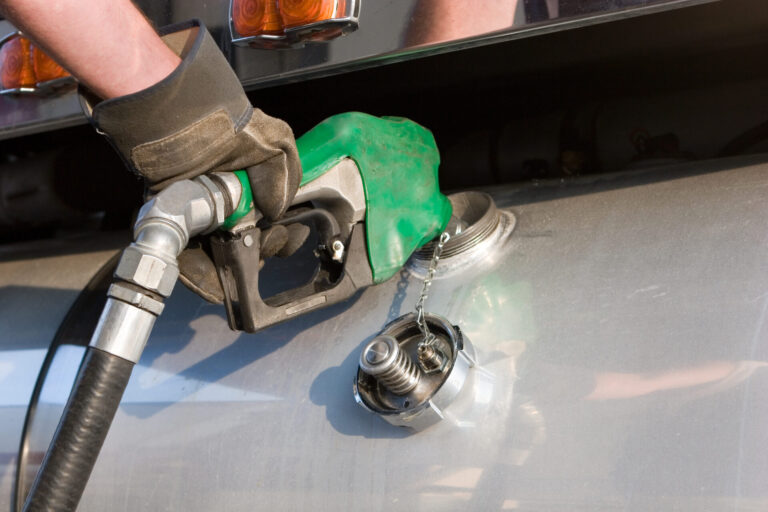
If there’s one thing the fuel crisis has reminded us, it’s that diesel prices can move quickly, and when they do, operators feel it immediately. At the time of writing, diesel is still sitting well over $2 a litre, and with the tight margins most transport businesses work on, high costs that can’t be recovered from customers can put real pressure on cash flow.
This is why fuel levies have been such a big talking point in the industry. Done properly, a levy gives you and your customer a fair, agreed way to deal with fuel price movements. Done badly, it can cause arguments, confusion and, in some cases, legal risk.
Here are some of the key factors to consider when getting fuel levies right.
The first thing to consider is the formula. Every business is different, so a fuel levy should be calculated using your own numbers, not copied from another carrier’s website. Someone else’s levy may have very little to do with what works for your business or your customers.
At its simplest, your calculation needs three clear inputs: your current diesel price, your base diesel price, and the share of your operating costs that fuel represents. You also need to decide exactly what price source you will use, whether the figures are GST-inclusive or exclusive, how often the levy will be reviewed, and whether fuel tax credits are being considered. It is also worth testing the formula against a higher diesel price, for example, $3 per litre, so you know whether it still makes sense under pressure.
You then need to be able to explain your calculation and show how the number was worked out. Use an independent price reference your customer can check, such as the Terminal Gate Price National Average published by the Australian Institute of Petroleum (AIP). Under Australian Consumer Law, the numbers you rely on must be accurate, and the way you present any levy or calculation can’t be misleading.
Third, check your contracts. Plenty of supply chain contracts still do not include a clear fuel adjustment mechanism, which can leave operators locked into pricing that no longer reflects the real cost of doing the work. Where a clause does exist, check how often it lets you recalculate, whether the levy can move down as well as up, and whether the price reference point reflects where you operate.
It is also important to remember your obligations may not stop with your own business. Others in your supply chain are affected by fuel price rises too. If you use owner-drivers or subcontractors, a fuel levy you collect from a customer may need to be passed on to them, and you should check what your contracts require. In Victoria and Western Australia, specific owner-driver laws apply, and protections are not necessarily limited to a single truck and driver.
Most importantly, talk to your customers. A fuel levy works best when both sides understand it, agree to it and can repeat the same process each time prices move. It needs to be practical for your business, fair for your customer and clear enough that there are no surprises when the next spike comes.
Fuel levies are a practical business issue as much as a legal one. The best fuel levy is one you can calculate, explain, agree and apply consistently. If any of those pieces are missing, it is worth fixing them now.
This information is provided for general information purposes only and does not constitute legal advice.
Want to find out more about managing fuel levies?
Experienced transport lawyer Gillian Bristow from Bristow Legal will talk through the common issues operators face when developing fuel levies at NatRoad’s annual conference, NatRoad Connect 26 this November. The session follows a panel where operators will share how they have managed fuel costs through the fuel crisis.