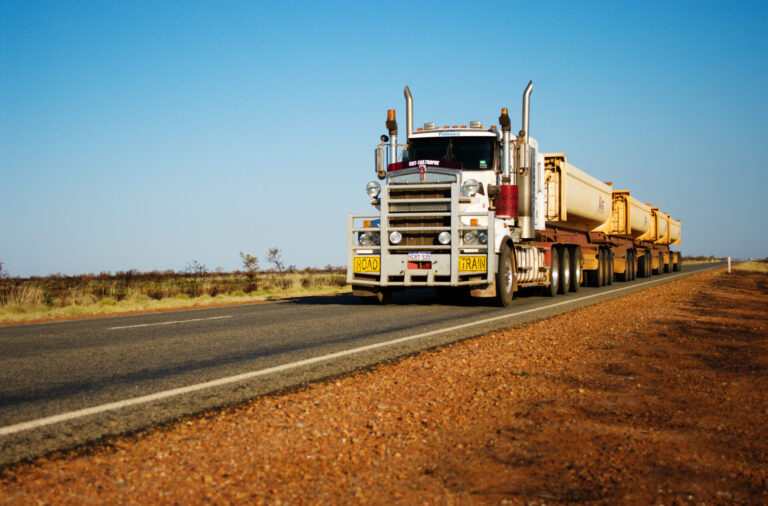

We have an opportunity at the moment to make sure that, in the future, the trucking industry pays a road charge which is equitable for all operators and rewards productivity. At the same time, we need to develop an alternative solution to the current road user charge model to deal with the move towards zero emissions vehicles and the adoption of alternative fuel and power options.
It has been clear for a number of years that the system for charging trucks for the use of Australia’s roads is broken. The government has been able to blatantly overcharge the trucking industry while the system for claiming fuel tax credits is cumbersome and onerous, especially for smaller trucking operators. At the same time, the quality of the roads used by trucks has deteriorated.
The road user charge, an excise duty on the fuel the road freight industry burns, alongside fuel tax credits for kilometres travelled, was introduced as part of the creation of the GST over 20 years ago. The charge was supposed to reimburse governments for the wear and tear on roads caused by heavy vehicles, but the process for setting the rate was flawed and vulnerable to government interference. Fluctuating fuel prices also added to the confusion and uncertainty, for both road transport operators and the federal and state road managers.
The trucking industry is also kept in the dark about how funds are allocated across the road network, both federally and in the states. The funding priorities do not take into account the need to improve the productivity of road freight as a whole. The process appears to prioritise political considerations at the expense of rational decisions aimed at improving freight productivity.
Truck drivers on the roads of Australia can see this dysfunctional road funding system play out daily: while they are held up in unnecessary road congestion and driving on poorly maintained and inadequate roads. The flawed funding priorities process leads directly to poorly maintained roads, which leads to increased damage to equipment and increased off-road time for the industry’s rolling stock.
Any move to simply increase the excise rate on fuel, which has been proposed as part of the discussions around the Federal Government’s recent Economic Reform Roundtable, will have a negative effect on productivity and increase overall costs for trucking operators who are already working with extremely tight margins.
NatRoad members and other road freight operators continue to improve fuel costs per tonne of freight by using the latest truck technology and higher productivity combinations. This has the effect of increasing overall productivity in the economy, which is one of the stated priorities of the Economic Reform Roundtable. However, the increased take-up of alternative power sources, as we move towards zero carbon emissions, will also reduce the fuel excise revenue for the government, putting pressure on vital funding to improve the quality of our road system.
The New Zealand Government recently locked in ‘per kilometre’ road user charges for all light vehicles (petrol, diesel, hybrid and electric) from 2027. Is there a lesson for Australia about how we can ensure all road users pay their fair share?
Now is the time to think ahead towards a more equitable road charging regime. One that not only raises enough funds to maintain and improve the overall road stock, but will also drive improved productivity across the entire road freight transport sector.
The new system has to take all of these different priorities into account. Economic growth requires a profitable and effective road freight industry. Improved productivity across the supply chain is vital for future economic growth and improved productivity. Reduced carbon emissions is also a major priority across the economy.
Any road user charge being developed needs to be able to tick all the boxes for the foreseeable future, and avoid favouring one priority over the other. The economy needs an effective and efficient road transport sector moving towards zero carbon emissions, and the road transport sector needs a well-funded road network to do its job safely and effectively.
*Warren Clark is CEO of the National Road Transport Association.
NatRoad communications are intended to provide commentary and general information.